


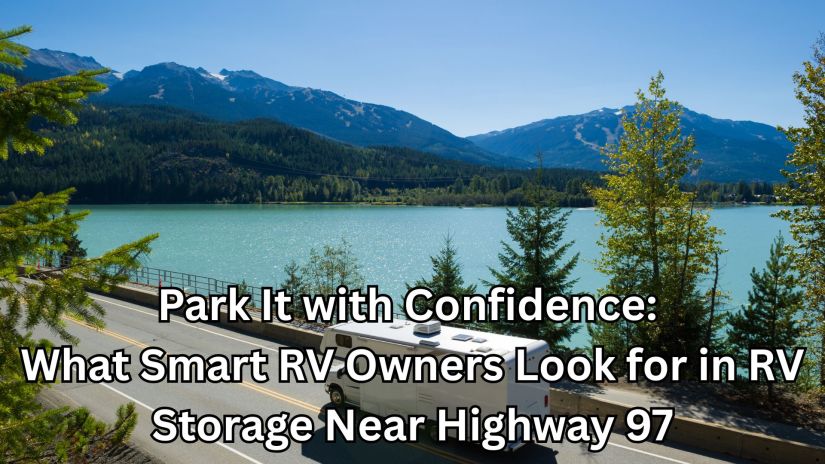


Park It with Confidence: What Smart RV Owners Look for in RV Storage Near Highway 97
Owning an RV creates opportunities to experience some of British Columbia’s most scenic destinations at your own pace. From lakeside campgrounds to mountain routes winding through the Okanagan Valley, RV travel offers flexibility that traditional vacations often cannot match. However, once the trip ends, one important question remains: where should you store your RV until the next adventure begins?
For many RV owners in the Okanagan, location plays a major role in that decision. Highway 97 acts as the primary travel corridor connecting communities throughout the region, including Lake Country, Kelowna, Vernon, and Penticton. As a result, selecting RV storage options in Lake Country near Highway 97 can simplify everything from seasonal maintenance to spontaneous weekend getaways. Instead of driving far off route to retrieve your RV, a strategically located storage facility allows easier access to the destinations and recreational areas you already visit most often.
At the same time, convenience alone is not enough. RVs represent a significant investment, and proper storage has a direct impact on how well your vehicle performs over time. Security, accessibility, weather protection, property maintenance, and long-term reliability all matter when comparing storage facilities. A poorly maintained lot may seem acceptable at first glance, but over several months or years, inadequate storage conditions can contribute to avoidable wear, damage, and frustration.
That is why experienced RV owners often look beyond pricing alone. They understand that choosing the right storage facility can help preserve the condition of their RV while also making travel preparation easier throughout the year. Especially in a region like Lake Country, where outdoor recreation remains active across every season, finding dependable RV Storage near Highway 97 can make ownership far more manageable.
Key Points for Readers Short on Time
- Highway 97 provides convenient access to many of the Okanagan’s most popular camping and recreation destinations.
- Strong security features help protect RVs during both short term and long term storage.
- Seasonal weather in Lake Country makes proper RV preparation especially important.
- Accessibility features like wide lanes and flexible gate hours improve everyday convenience.
- Well-maintained storage facilities often contribute to better long-term RV condition and easier upkeep.
Why Highway 97 Is One of the Most Convenient Locations for RV Storage
When RV owners begin comparing storage facilities, they often underestimate how much location affects long-term convenience. Initially, almost any available parking space may seem sufficient. However, after multiple camping seasons, the value of accessible storage becomes much more noticeable. Highway 97 connects much of the Okanagan Valley, making it one of the region’s most heavily traveled transportation routes. Travelers heading toward Vernon, Kelowna, Peachland, or southern Okanagan communities frequently rely on this corridor for both short and long-distance trips. Consequently, storing an RV near Highway 97 allows owners to transition from storage to travel far more efficiently.
This becomes particularly helpful during busy summer weekends. Instead of navigating narrow residential roads or remote industrial areas before reaching the highway, RV owners can access their vehicles more directly and begin their trips sooner. Over time, this added convenience can significantly improve the overall ownership experience. Additionally, Highway 97’s proximity to recreational destinations makes Lake Country an attractive base for RV travelers. The area offers quick access to Wood Lake, Kalamalka Lake, Okanagan Lake, and numerous campgrounds throughout the valley. Residents and visitors alike often use the region as a launching point for boating, fishing, hiking, cycling, and wine touring.
According to the District of Lake Country, the community continues to grow as a destination for outdoor recreation and tourism because of its central location and natural surroundings. This ongoing growth has also increased demand for organized, accessible RV Storage facilities that support seasonal travel patterns.
Security Should Always Be One of the First Priorities
While convenience matters, security remains one of the most important considerations when choosing RV Storage. RVs often contain valuable equipment, appliances, electronics, camping gear, and personal belongings, even during off-season storage. As a result, selecting a facility with reliable security measures helps reduce unnecessary risks. More importantly, visible security features often reflect the overall professionalism of a storage facility. Properties that invest in controlled access systems and regular monitoring generally demonstrate stronger long-term management practices.
Several security features are worth paying attention to when comparing facilities:
- Gated access systems
- Perimeter fencing
- Security cameras throughout the property
- Bright lighting for nighttime visibility
- Clearly organized parking areas
- On-site monitoring or active management
Furthermore, the condition of the property itself can reveal a great deal about how consistently the facility is maintained. Clean driving lanes, organized parking arrangements, and maintained infrastructure usually indicate that the property receives regular oversight rather than functioning as an unattended lot. This becomes especially relevant near major travel routes like Highway 97. Although accessibility is valuable, facilities should still prioritize controlled entry systems that help discourage unauthorized access while allowing customers to retrieve their RVs conveniently.
Lake Country’s Climate Makes Proper Storage More Important
The Okanagan Valley experiences dramatic seasonal shifts throughout the year, which means RV owners must think carefully about long-term storage conditions. Summers in Lake Country often bring extended heat and strong sun exposure, while winters can introduce freezing temperatures, snow accumulation, and moisture concerns. Over time, these changing conditions can affect many parts of an RV, including roofing materials, plumbing systems, tires, batteries, and exterior seals. Therefore, proper preparation before storage becomes essential for protecting the vehicle’s condition.
Temperatures fluctuate significantly between seasons in the Okanagan Valley. Consequently, owners who neglect winterization or routine inspections may encounter avoidable repairs later. For that reason, many RV owners prioritize facilities that support easier maintenance access throughout the year. A conveniently located property encourages more regular visits for inspections, battery charging, ventilation checks, and seasonal upkeep.
Preparing your RV correctly before long-term storage can also help reduce stress during reopening season in spring. This guide on how to prepare your RV for storage outlines several important considerations for protecting plumbing systems, tires, and exterior surfaces before extended storage begins.
Accessibility Often Matters More Than People Expect
Many first-time RV owners focus almost entirely on monthly storage rates. However, after using a facility for several seasons, accessibility often becomes one of the most appreciated features. Large RVs require space to maneuver safely, especially during early morning departures, poor weather conditions, or busy travel weekends. Narrow parking rows and tight turning areas can quickly create unnecessary stress, particularly for owners operating larger motorhomes or trailers.
By comparison, facilities with wider lanes and organized parking layouts simplify both pickup and return processes. Drivers can move more comfortably through the property without worrying about tight corners or limited visibility. Additionally, flexible access hours can make a noticeable difference for travelers planning longer road trips. Many RV owners prefer leaving early in the morning to avoid traffic or summer heat. Others may return later in the evening after weekend travel. Facilities that accommodate varied schedules often provide a more practical long-term experience. Convenient access also encourages regular maintenance visits. Owners are far more likely to inspect seals, recharge batteries, or perform routine checks when retrieving their RV does not feel inconvenient or time-consuming.
Lake Country Continues to Attract Outdoor Enthusiasts
Part of what makes RV ownership so appealing in this region is the sheer number of outdoor activities available nearby. Lake Country sits between Kelowna and Vernon, allowing travelers to access numerous recreational destinations without long drives. For example, visitors regularly explore the Okanagan Rail Trail, which stretches alongside lakes and scenic viewpoints throughout the region. Others spend weekends boating on Okanagan Lake, paddleboarding on Wood Lake, or visiting local orchards and wineries throughout the valley.
Tourism Kelowna frequently highlights Lake Country’s outdoor recreation opportunities because the area combines lakes, trails, vineyards, and regional parks. Consequently, many RV owners prefer storing their vehicles nearby so they can take advantage of spontaneous weekend trips during peak travel seasons. At the same time, Lake Country’s central location also simplifies access to larger destinations across British Columbia. Whether travelers head north toward the Shuswap region or south toward Penticton and Oliver, Highway 97 provides a convenient starting point for longer journeys.
Long-term RV Storage Requires More Than an Empty Lot
At first glance, RV Storage may appear relatively simple. However, experienced owners understand that long-term vehicle care depends heavily on the quality of the storage environment. For example, prolonged sun exposure can gradually wear down tires and exterior finishes if vehicles remain unchecked for extended periods. Moisture accumulation may affect seals and interior surfaces during colder months. In some cases, neglected storage areas can even create increased risks for pests or rodent activity.
Because of this, many owners pay close attention to how a storage property is maintained overall. Drainage quality, surface conditions, organized layouts, and general cleanliness all contribute to a safer and more reliable storage experience. Moreover, a well-managed facility often helps owners maintain better routines for seasonal upkeep. Access to organized parking spaces and smoother retrieval processes encourages more consistent inspections and maintenance throughout the year. For RV owners preparing for seasonal storage in the Okanagan, this resource on how to store your RV in Lake Country, BC, explains additional local considerations that can help support long-term vehicle care.
Consistent Maintenance Protects Your RV Investment
Even when an RV remains parked for several months, regular maintenance still matters. In fact, extended inactivity sometimes creates issues that active travel does not. Batteries may lose charge gradually, tire pressure can shift with changing temperatures, and roof seals may deteriorate unnoticed if inspections are postponed too long. Consequently, choosing a storage facility that supports convenient access can help owners stay proactive about routine maintenance.
Many experienced RV owners schedule occasional visits throughout storage periods specifically to monitor moisture levels, inspect exterior surfaces, and ensure ventilation remains adequate. Small maintenance tasks completed regularly often prevent larger repair expenses later. Furthermore, convenient storage locations encourage owners to use their RVs more frequently. When retrieval feels simple and efficient, spontaneous trips become easier to plan. Over time, that accessibility contributes positively to the overall RV ownership experience.
Choosing RV Storage That Supports Your Lifestyle
Not every RV owner uses their vehicle the same way. Some families travel nearly every weekend throughout the summer, while others take only a few extended trips each year. Therefore, the right storage facility often depends on how your travel habits align with accessibility, security, and convenience. Owners who frequently travel may prioritize direct highway access and flexible gate hours. Meanwhile, seasonal travelers may place greater emphasis on winter preparation and long-term protection. Larger RV owners often appreciate spacious parking layouts, while smaller trailer owners may focus more heavily on affordability and maneuverability.
Understanding your own usage patterns can help narrow the search more effectively than simply comparing prices online. After all, the cheapest option is not always the most practical if it creates additional stress every time you retrieve or store your RV.
Balancing Convenience, Security, and Long-Term Protection
Ultimately, the best RV Storage facilities near Highway 97 combine multiple strengths rather than excelling in only one area. Accessibility matters because it simplifies travel preparation. Security matters because RVs represent valuable long-term investments. Maintenance and climate considerations matter because seasonal weather conditions in the Okanagan can affect vehicle condition over time. Fortunately, Lake Country offers a strong balance of recreation access, transportation convenience, and outdoor lifestyle appeal. For RV owners who regularly explore the Okanagan Valley and surrounding regions, storing an RV near Highway 97 can simplify both short term travel plans and long term ownership responsibilities.
Whether your trips involve weekends at nearby lakes or extended journeys across British Columbia, choosing dependable RV storage options in Lake Country can help support a smoother, more organized RV ownership experience throughout every season.